
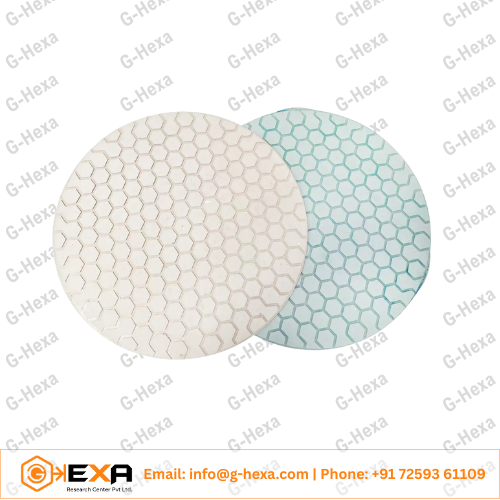
POS & POH Grinding and Polishing Disc GHX-GRP-CON-GRD-DIA-002
| Disc Type | Recommended Hardness Range | Recommended Diamond Suspension | Key Advantages | Available Diameters | Package Format |
|---|---|---|---|---|---|
| POS | < 150 HV to 450 HV | 9 μm – 3 μm diamond suspension or spray | Medium to low hardness; softer/composite materials; high flatness; reduced steps | 200 mm, 250 mm, 300 mm, 350 mm | Sold individually or in sets (contact for bulk) |
| POH | > 150 HV (medium to high) | 15 μm – 6 μm diamond suspension or spray | Higher hardness materials; exceptional removal rate; long service life; superior reproducibility | 200 mm, 250 mm, 300 mm, 350 mm | Sold individually or in sets (contact for bulk) |
| Common Features | Both types offer: higher grinding efficiency vs. SiC paper, lower elasticity for better flatness, reduced grinding steps, lower consumable consumption, eco-friendly process | — | Consistent high removal rate, minimal media changes, high experimental reproducibility | 200 mm, 250 mm, 300 mm, 350 mm | — |
Payment. Payment upon receipt of goods, Payment by card in the department, Google Pay, Online card, -5% discount in case of payment
Warranty. The Consumer Protection Act does not provide for the return of this product of proper quality.
Description
POS & POH Grinding and Polishing Disc GHX-GRP-CON-GRD-DIA-002
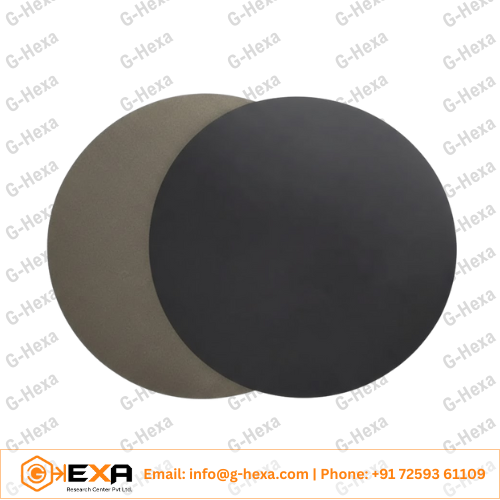
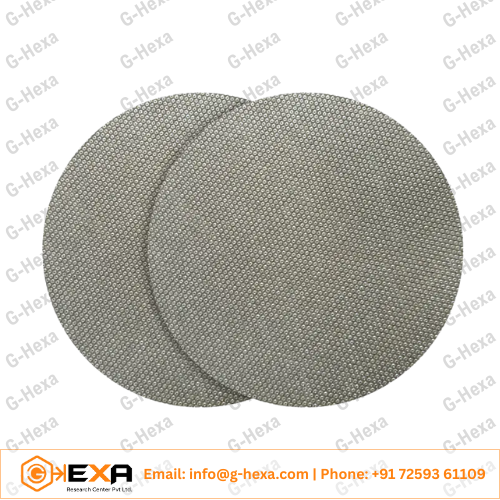
The GHX-GRP-CON-GRD-DIA-002 POS & POH series are high-efficiency, long-life fine grinding discs engineered as a superior alternative to traditional SiC metallographic sandpaper. Used with diamond suspensions (3–15 μm), these discs replace multiple conventional grinding steps (typically P320–P2000) with a single, consistent process, delivering faster material removal, significantly reduced preparation time, higher surface flatness, and excellent reproducibility. POS is optimized for softer to medium-hard materials (up to 450 HV), while POH excels on harder materials (>150 HV). Ideal for high-throughput labs seeking to minimize steps, consumable usage, and environmental impact while achieving mirror-ready surfaces for microscopic analysis.
Specifications
| Disc Type | Recommended Hardness Range | Recommended Diamond Suspension | Key Advantages | Available Diameters | Package Format |
|---|---|---|---|---|---|
| POS | < 150 HV to 450 HV | 9 μm – 3 μm diamond suspension or spray | Medium to low hardness; softer/composite materials; high flatness; reduced steps | 200 mm, 250 mm, 300 mm, 350 mm | Sold individually or in sets (contact for bulk) |
| POH | > 150 HV (medium to high) | 15 μm – 6 μm diamond suspension or spray | Higher hardness materials; exceptional removal rate; long service life; superior reproducibility | 200 mm, 250 mm, 300 mm, 350 mm | Sold individually or in sets (contact for bulk) |
| Common Features | Both types offer: higher grinding efficiency vs. SiC paper, lower elasticity for better flatness, reduced grinding steps, lower consumable consumption, eco-friendly process | — | Consistent high removal rate, minimal media changes, high experimental reproducibility | 200 mm, 250 mm, 300 mm, 350 mm | — |
Key Applications & Uses
- Fine grinding of ferrous and non-ferrous metals, alloys, steels, cast irons, and hard materials after plane grinding with diamond foils or coarse abrasives
- Single-step replacement of multi-stage SiC paper sequences (P320–P2000) for high-throughput preparation of metallographic samples
- Preparation of flat, low-deformation surfaces for optical microscopy, SEM, hardness testing, inclusion analysis, and phase identification
- Batch processing of large numbers of samples in automotive, aerospace, steel manufacturing, foundry, and heavy machinery quality control labs
- Efficient grinding of medium to high-hardness materials (POH) and softer/composite substrates (POS) in university materials science, R&D, and contract testing facilities
- Supporting eco-conscious workflows that reduce abrasive waste, consumable costs, and preparation time while maintaining superior surface quality
Why Choose from G-Hexa?
- Dramatic Time & Cost Savings — Replaces multiple SiC paper steps with one efficient disc, delivering consistently high removal rates and service life far exceeding traditional sandpaper—reducing media changes and overall preparation time by up to 70%.
- Superior Flatness & Reproducibility — Lower elasticity backing ensures flatter surfaces with minimal relief or edge rounding compared to conventional papers, providing reliable, repeatable results batch after batch.
- Tailored Hardness Performance — POS for softer to medium-hard materials (<450 HV) and POH for harder materials (>150 HV), allowing optimized results across a wide range of ferrous, non-ferrous, and composite specimens.
- Eco-Friendly & Economical — Lower consumable consumption, reduced waste, and no frequent paper replacement align with low-carbon, green laboratory practices while lowering long-term operating costs.
- Universal Compatibility — Available in standard diameters (200 mm to 350 mm) to fit virtually all metallographic grinders and polishers, including G-Hexa automatic and manual systems.
- Trusted G-Hexa Quality — Backed by consistent performance, rigorous quality control, fast India-wide delivery, competitive pricing, and expert metallographic support—preferred by researchers, universities, pharma, biotech, and industrial labs.
Frequently Asked Questions (FAQs)
Q: How does POS/POH differ from traditional SiC sandpaper? A: POS/POH discs offer higher removal rates, much longer service life, better flatness due to lower elasticity, and replace several SiC grit steps (P320–P2000) with one process—saving time, reducing waste, and improving reproducibility.
Q: Which disc should I choose—POS or POH? A: Use POS for softer to medium-hard materials (<150–450 HV) with 9–3 μm diamond suspension; choose POH for harder materials (>150 HV) with 15–6 μm diamond suspension to achieve optimal cutting efficiency and surface quality.
Q: Can these discs be used on automatic grinders? A: Yes—they are fully compatible with automatic and manual metallographic grinders/polishers (200–350 mm platens), including G-Hexa models, and perform exceptionally well under central or individual loading.
Q: Do I need any special equipment or setup? A: No—simply apply diamond suspension (3–15 μm) or spray, use with water coolant, and run at moderate speed/pressure. No clamping rings or additional adhesives are required.
Q: How many samples can one disc process? A: Service life is typically 3× longer than SiC paper, depending on material hardness, load, and suspension used—often processing hundreds of samples per disc in routine metallographic workflows.
Q: Are POS/POH discs suitable for non-ferrous or composite materials? A: Yes—POS is especially effective on softer substrates and composites; POH handles harder non-ferrous alloys well—both provide excellent results with the correct diamond suspension.
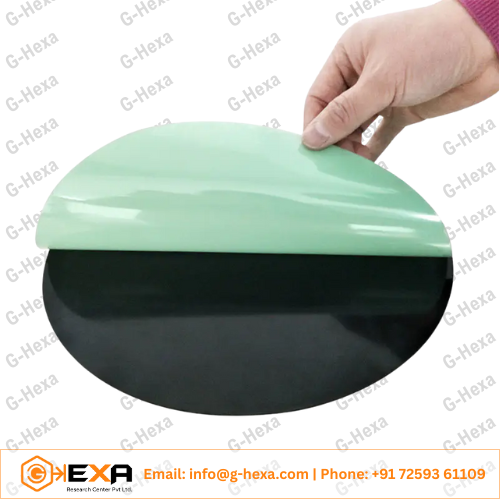
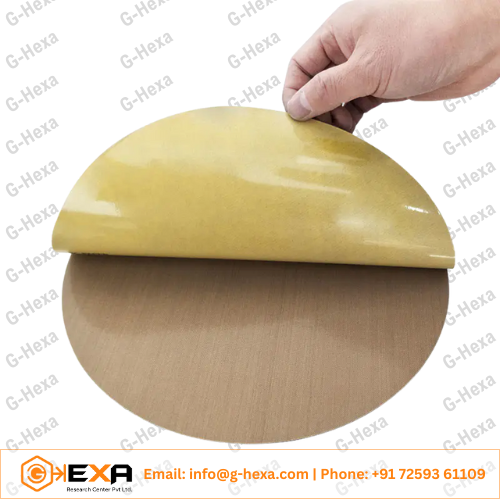
Q: How do I clean or store the discs? A: Rinse thoroughly with water after use to remove debris; store flat in a cool, dry place away from direct sunlight. Avoid folding or creasing to maintain flatness and adhesive performance.
Reviews
There are no reviews yet.